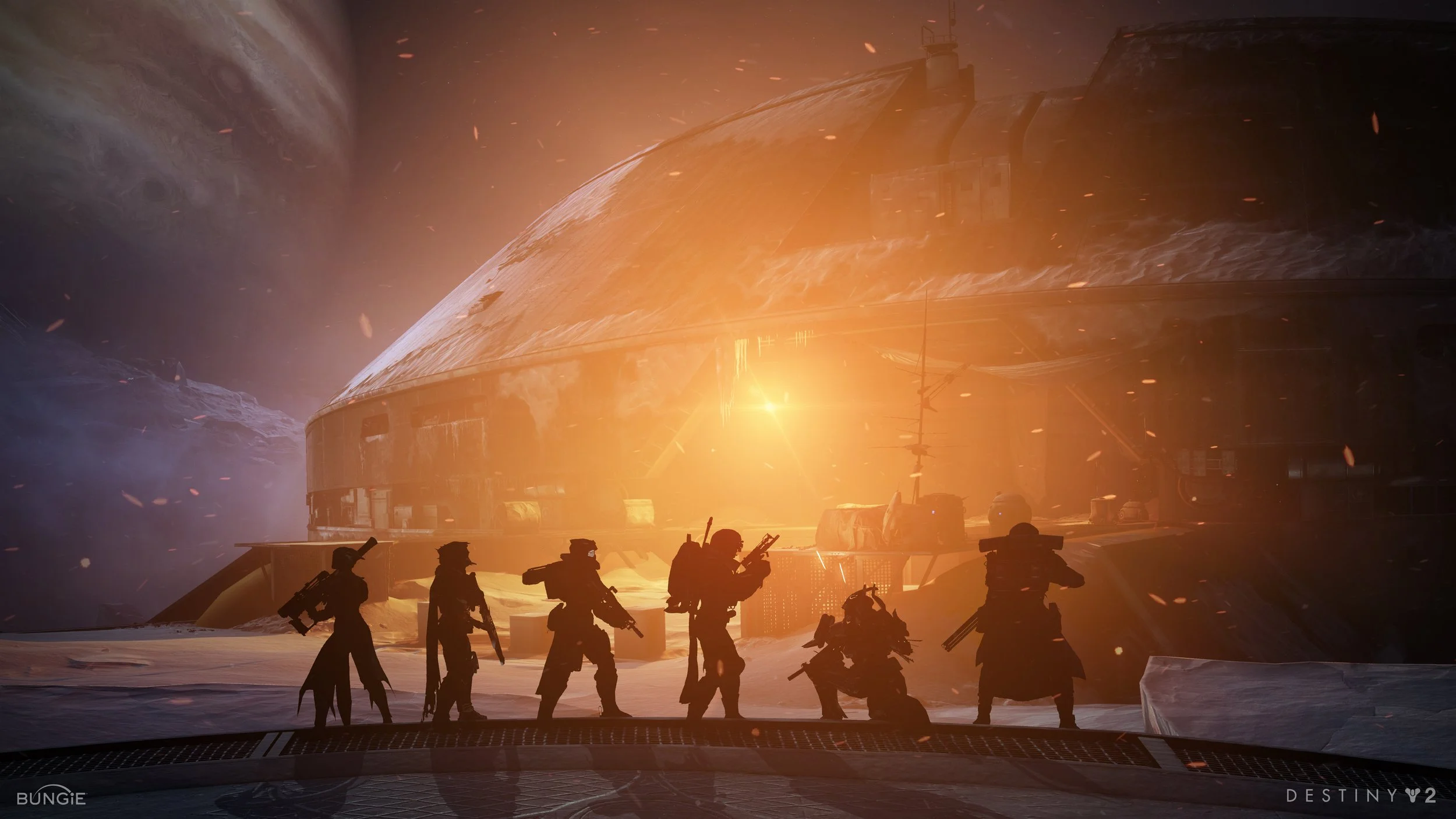
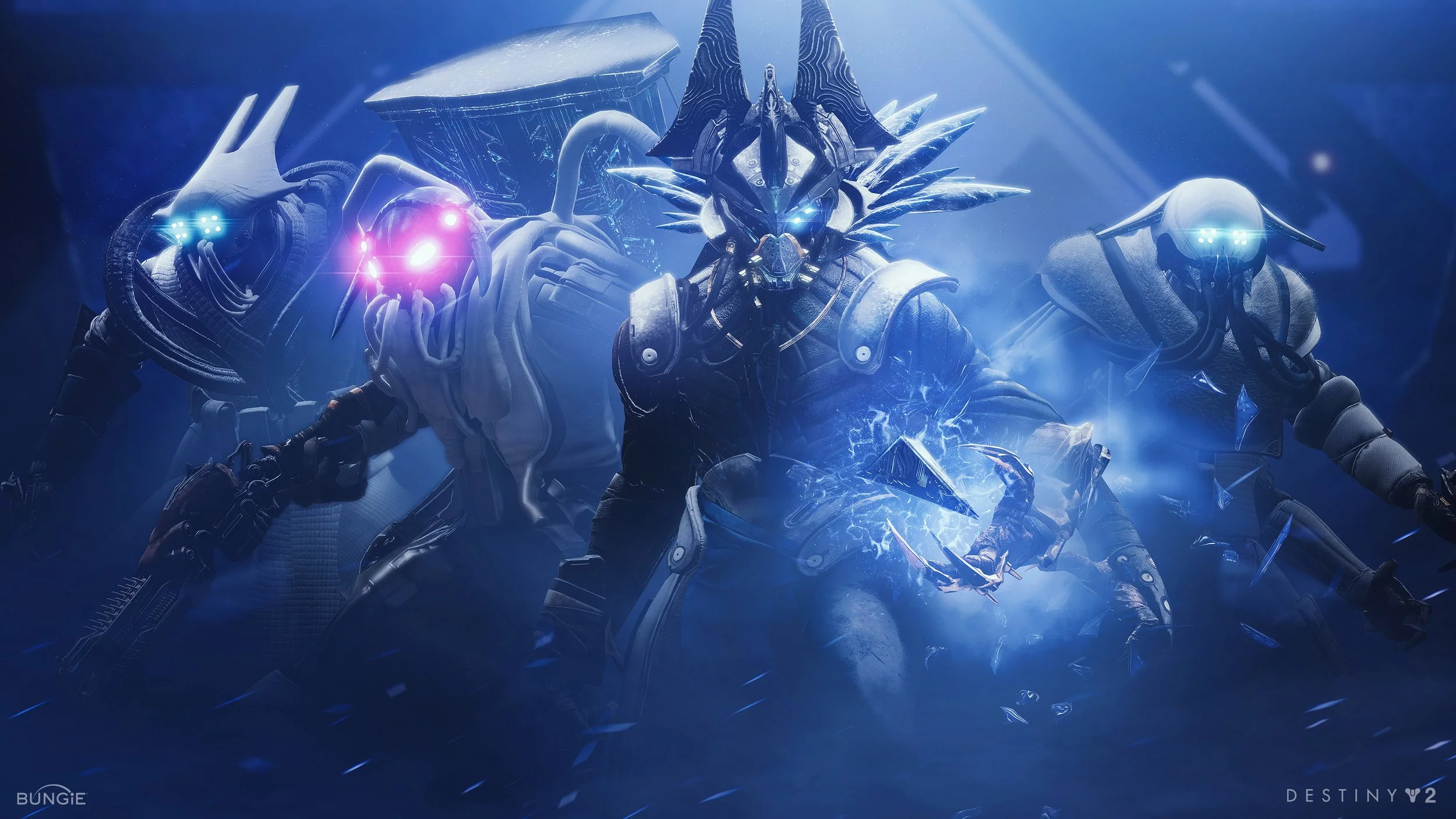
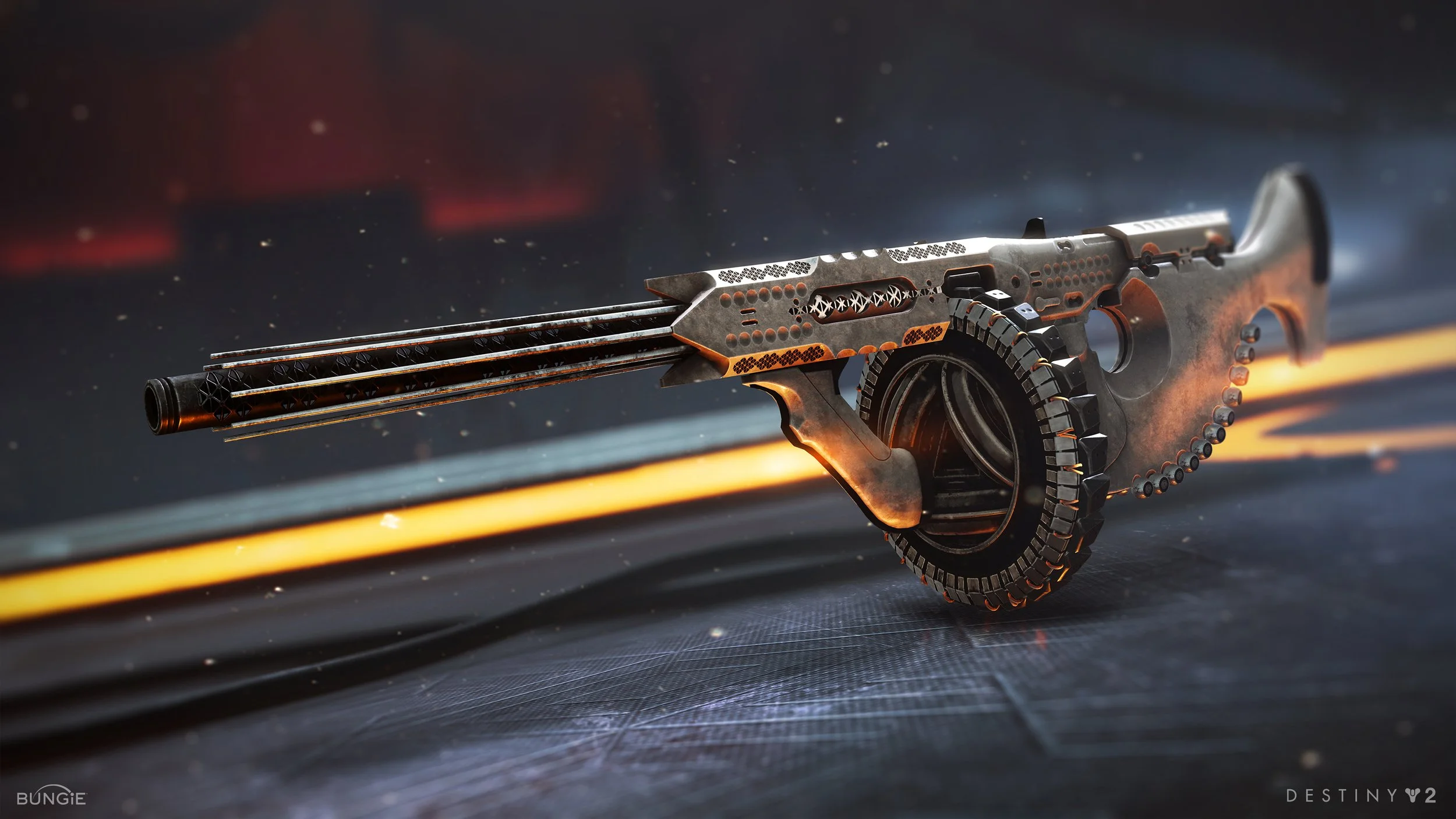
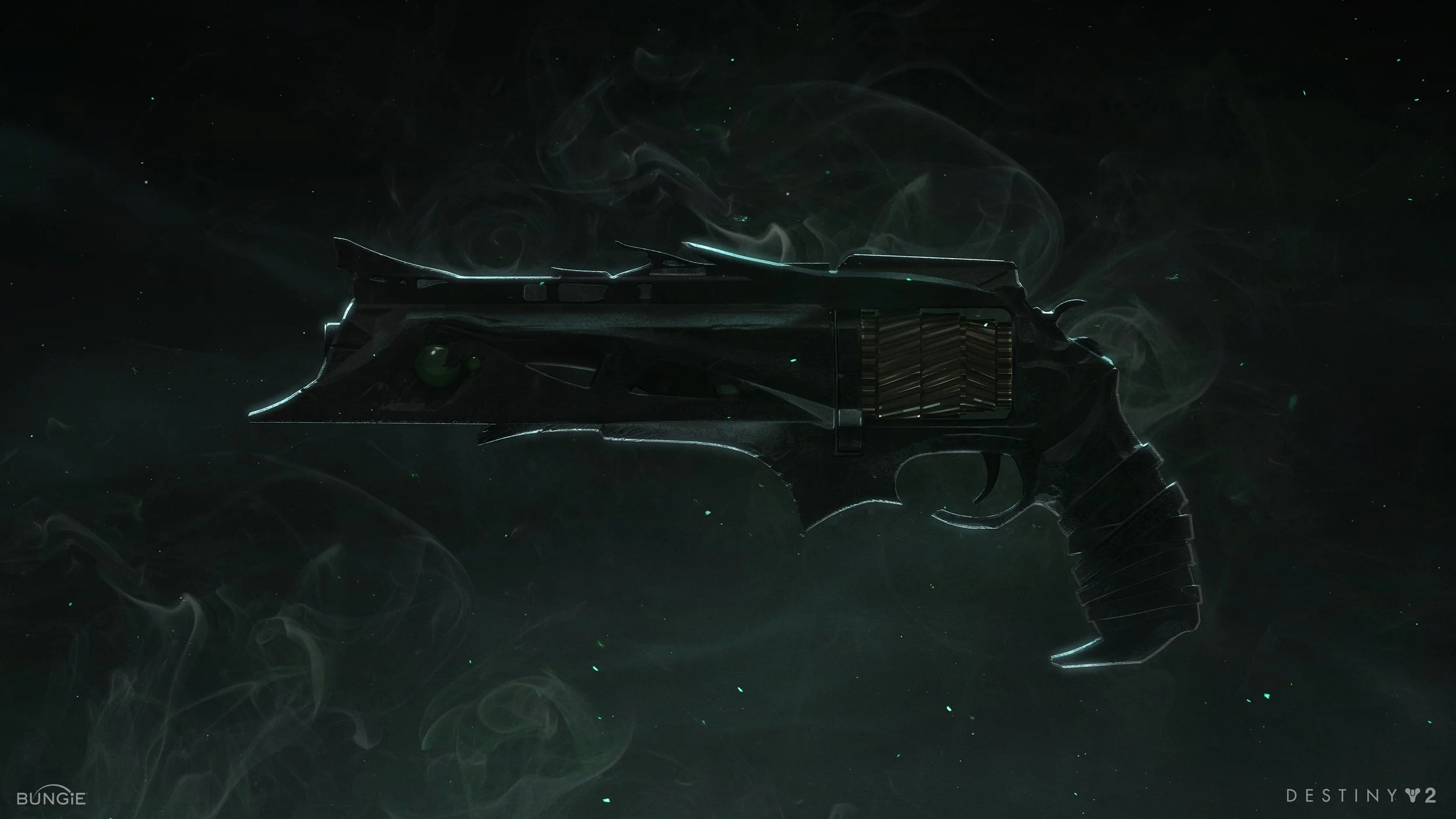
One of the workflows Joseph helped advance and lead for Destiny 2 was Bungie’s compositing pipeline for marketing visuals.
When he was creating marketing content for Destiny 2, he always needed strong key visuals for weapons, characters, abilities, and other in-game elements. Unlike a traditional gameplay screenshot, where everything is locked into one static image, composited shots let him isolate individual elements and light them more precisely. That gave him a lot more flexibility to build scenes with better legibility, clearer focus, stronger lighting, improved contrast, and a more intentional overall look.


One of the biggest strengths of compositing is having access to individual layers in Photoshop. That layered approach not only makes the editing process easier, but also makes the final artwork much more flexible. Images can be adapted for trailer motion graphics, reworked for print, or pushed further as creative needs evolve.


Destiny composites are built using Adobe Photoshop alongside in-game captures. Using advanced development tools, we light, capture, and isolate characters, weapons, and props directly from the game environment, all of which were originally created by the talented Bungie 3D art teams. Those assets are then brought into Photoshop, where they’re cut out and assembled into custom scenes using layered compositions and visual effects.